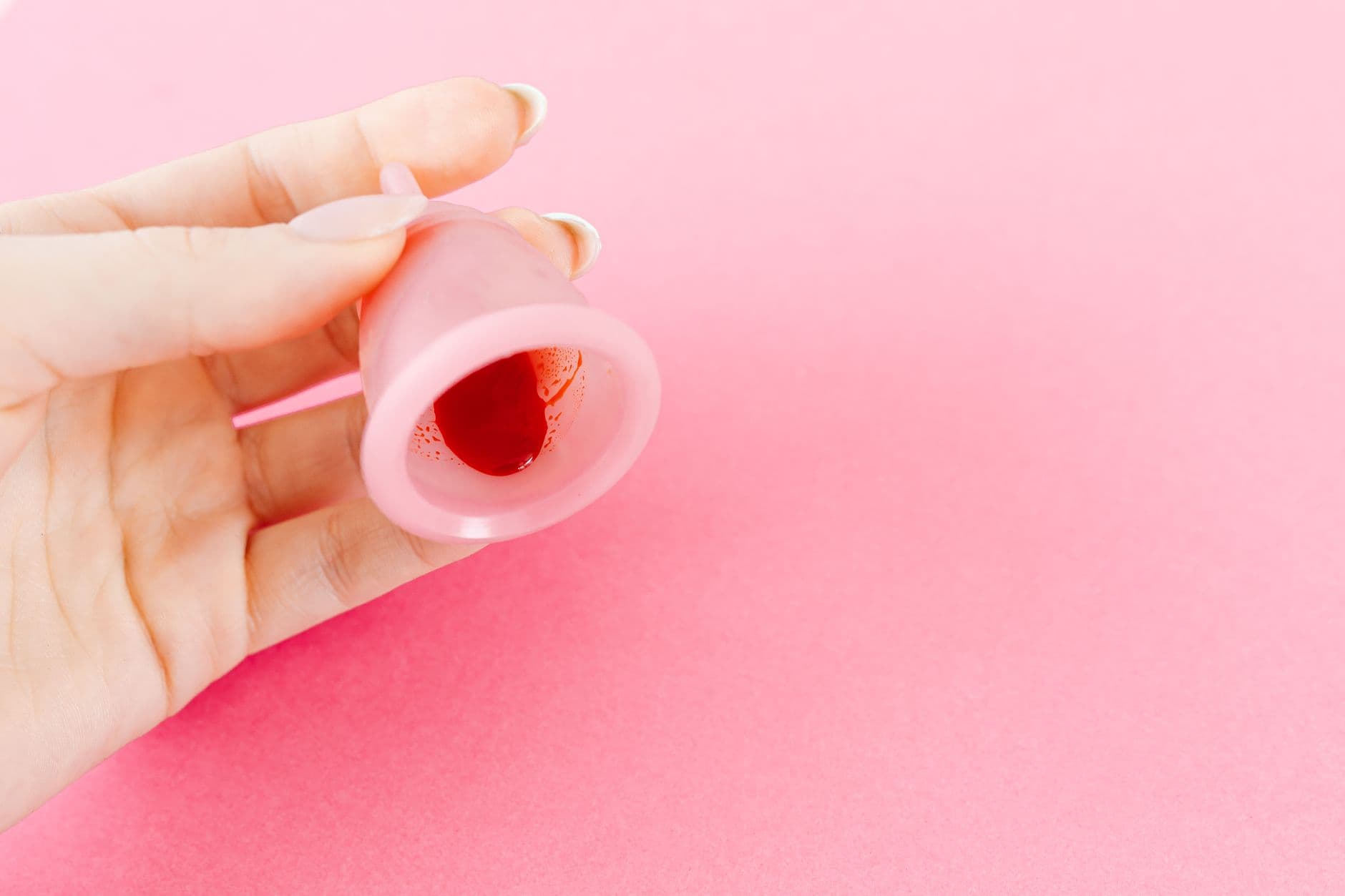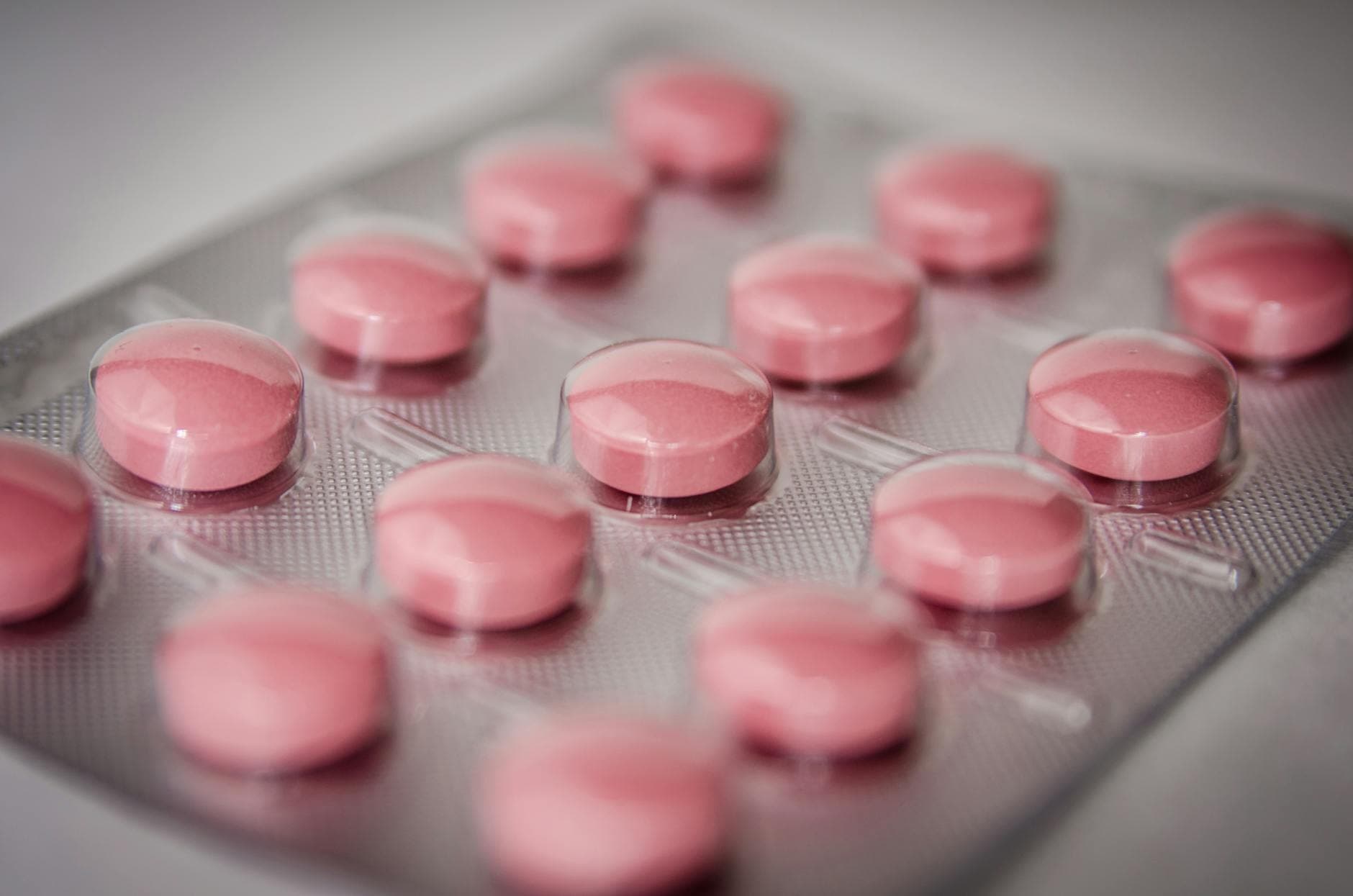
Mifepristone and misoprostol are two medications used together for medical abortion. Mifepristone blocks progesterone, the hormone needed to maintain pregnancy, while misoprostol causes the uterus to contract and expel pregnancy tissue. In Thailand, these pills are legal and available through licensed doctors for pregnancies up to 12 weeks, and up to 20 weeks after mandatory counseling.
What Are Abortion Pills: Mifepristone and Misoprostol?

Medical abortion uses two medications taken in sequence to safely end an early pregnancy. This method is approved by the World Health Organization (WHO) and is used worldwide as a safe alternative to surgical procedures.
Mifepristone is the first medication taken. It works by blocking progesterone, a hormone essential for pregnancy to continue. Without progesterone, the lining of the uterus breaks down, and the pregnancy cannot develop further. This medication is taken orally as a single dose under medical supervision.
Misoprostol is taken 24 to 48 hours after mifepristone. It causes the uterus to contract and expel the pregnancy tissue, similar to a miscarriage. Most people take misoprostol at home, though your doctor will provide specific instructions based on your situation.
In Thailand, both medications must be prescribed and dispensed by a licensed physician. They are not legally available over the counter or through online pharmacies. The combined regimen is effective in approximately 95-98% of cases when used correctly during the first 12 weeks of pregnancy.
What to Expect: Step by Step
Understanding the process helps you prepare physically and emotionally for medical abortion. Here's what typically happens:
Before taking the pills: You'll have a consultation with a doctor who will confirm your pregnancy through ultrasound, determine gestational age, and ensure you're a suitable candidate for medical abortion. The doctor will explain the process, provide the medications, and give you clear instructions.
Day 1 — Taking Mifepristone: You'll take the first pill (mifepristone) at the clinic or as directed by your doctor. Some people experience mild nausea or spotting after this dose, but many feel no immediate effects. This is normal.
Day 2-3 — Taking Misoprostol: Between 24-48 hours later, you'll take misoprostol. Most doctors recommend taking it buccally (between cheek and gum) or sublingually (under the tongue). Within 1-4 hours, you'll begin experiencing cramping and bleeding as your uterus contracts.
During the process: Expect heavy bleeding with clots, similar to or heavier than a period. Cramping can range from moderate to severe. The heaviest bleeding typically lasts 4-6 hours, with the pregnancy tissue usually passing within this timeframe. You may see tissue or clots, which is expected.
After the process: Bleeding will gradually decrease over the following days, though light bleeding or spotting may continue for up to 2-4 weeks. Your doctor will schedule a follow-up appointment, usually within 1-2 weeks, to confirm the abortion is complete.
Common Side Effects vs Warning Signs
Knowing the difference between expected side effects and serious complications helps you recognize when to seek medical help.
Normal side effects include:
- Cramping and abdominal pain (can be managed with ibuprofen)
- Heavy bleeding with clots for several hours
- Nausea, vomiting, or diarrhea
- Chills or mild fever (under 38°C) for a few hours
- Fatigue and dizziness
- Light bleeding or spotting for up to 4 weeks
Seek immediate medical attention if you experience:
- Soaking through two or more thick pads per hour for two consecutive hours
- Fever above 38°C lasting more than 24 hours
- Severe pain not relieved by pain medication
- Foul-smelling vaginal discharge
- Signs of infection (persistent fever, severe weakness, intense abdominal pain)
- No bleeding at all within 24 hours of taking misoprostol
If you experience any warning signs, contact your doctor immediately or go to the nearest emergency room. Complications are rare but require prompt treatment when they occur.
Self-Care After Abortion
Taking care of yourself after medical abortion supports physical recovery and emotional well-being.
Physical care: Rest as much as possible, especially during the first 24-48 hours. Stay hydrated and eat nutritious foods when you feel able. Use sanitary pads rather than tampons for at least two weeks to reduce infection risk. Avoid strenuous exercise until bleeding has significantly decreased.
Pain management: Ibuprofen (400-600mg every 6 hours) is usually recommended for cramping. A heating pad on your abdomen can provide additional comfort. Your doctor may prescribe stronger pain relief if needed.
When to resume activities: You can typically shower immediately and resume normal daily activities as you feel able. Wait until bleeding has stopped before using tampons, having sex, or swimming. Most people feel physically recovered within one week, though emotional recovery varies.
Future fertility: Your fertility returns quickly after abortion. You can ovulate as soon as two weeks later, so discuss contraception with your doctor if you want to prevent pregnancy. Your next period should arrive within 4-6 weeks.
Emotional support: It's normal to experience a range of emotions. If you need someone to talk to, the Department of Health hotline (1663) offers confidential counseling services in Thai.
Frequently Asked Questions
Can I buy mifepristone and misoprostol online in Thailand?
No, and doing so would be unsafe and illegal. In Thailand, abortion pills must be prescribed and dispensed by a licensed physician who can verify the medications are genuine, confirm you're a suitable candidate, provide proper dosing instructions, and ensure appropriate follow-up care. Medications sold online may be counterfeit, incorrectly dosed, or expired, putting your health at serious risk.
How much do abortion pills cost in Thailand?
The cost of medical abortion in Thailand typically ranges from 3,000 to 8,000 THB, depending on the healthcare facility and what services are included (consultation, ultrasound, medications, and follow-up). Some public hospitals may offer lower costs. RSA network facilities provide transparent pricing and quality care.
Is medical abortion painful?
Most people experience cramping ranging from moderate to severe, similar to or stronger than period cramps. The intensity varies between individuals and often peaks during the hours when pregnancy tissue is passing. Pain medication like ibuprofen, combined with a heating pad, effectively manages discomfort for most people. Your doctor can prescribe stronger pain relief if needed.
How do I know if the abortion was successful?
Heavy bleeding and passing clots or tissue are signs the process is working, but only a follow-up appointment with your doctor can confirm success. This usually involves a physical examination and sometimes an ultrasound 1-2 weeks after taking the medications. If the abortion is incomplete, you may need additional medication or, rarely, a surgical procedure.
What if I'm over 12 weeks pregnant?
Medical abortion can still be performed between 12-20 weeks in Thailand, but you'll need to complete mandatory counseling as required by the Ministry of Public Health regulation from 2022. The process may involve different dosing of medications and requires more careful medical supervision. Contact a licensed facility to discuss your options based on your specific gestational age.
Will taking abortion pills affect my future fertility?
No, medical abortion using mifepristone and misoprostol does not affect your ability to become pregnant in the future. Your fertility returns quickly, often within two weeks, so you can ovulate before your next period arrives. If you want to prevent pregnancy, discuss contraception options with your doctor during your follow-up appointment.
Do I need someone with me when I take the pills?
While not medically required, having a trusted person with you when you take misoprostol is strongly recommended. They can provide emotional support, help with practical tasks, monitor your condition, and assist you if complications arise that require medical attention. If you're alone, ensure you have a phone nearby and someone you can contact if needed.
References
- Criminal Code Amendment Act No. 28 B.E. 2564 (2021)
- Ministry of Public Health Notification on Counseling Services B.E. 2565 (2022)
- RSA Network, Department of Health — rsathai.org
- Department of Health Hotline 1663
⚠️ This article is for educational purposes only and does not constitute medical advice for individual cases. Always consult a licensed physician before making any decisions.